My 3.5 Year Weekend

Labour Day holiday in the creaky, musty comfort of a Depression-Era cabin. Dusk over Georgian Bay, cloudy and violet. Wind-bent Cedars and Pines. MotorIMG_00000122 boat engine buzz. The slash of wake against rock. Crickets. And finally a silence shared with an old friend and a good book.
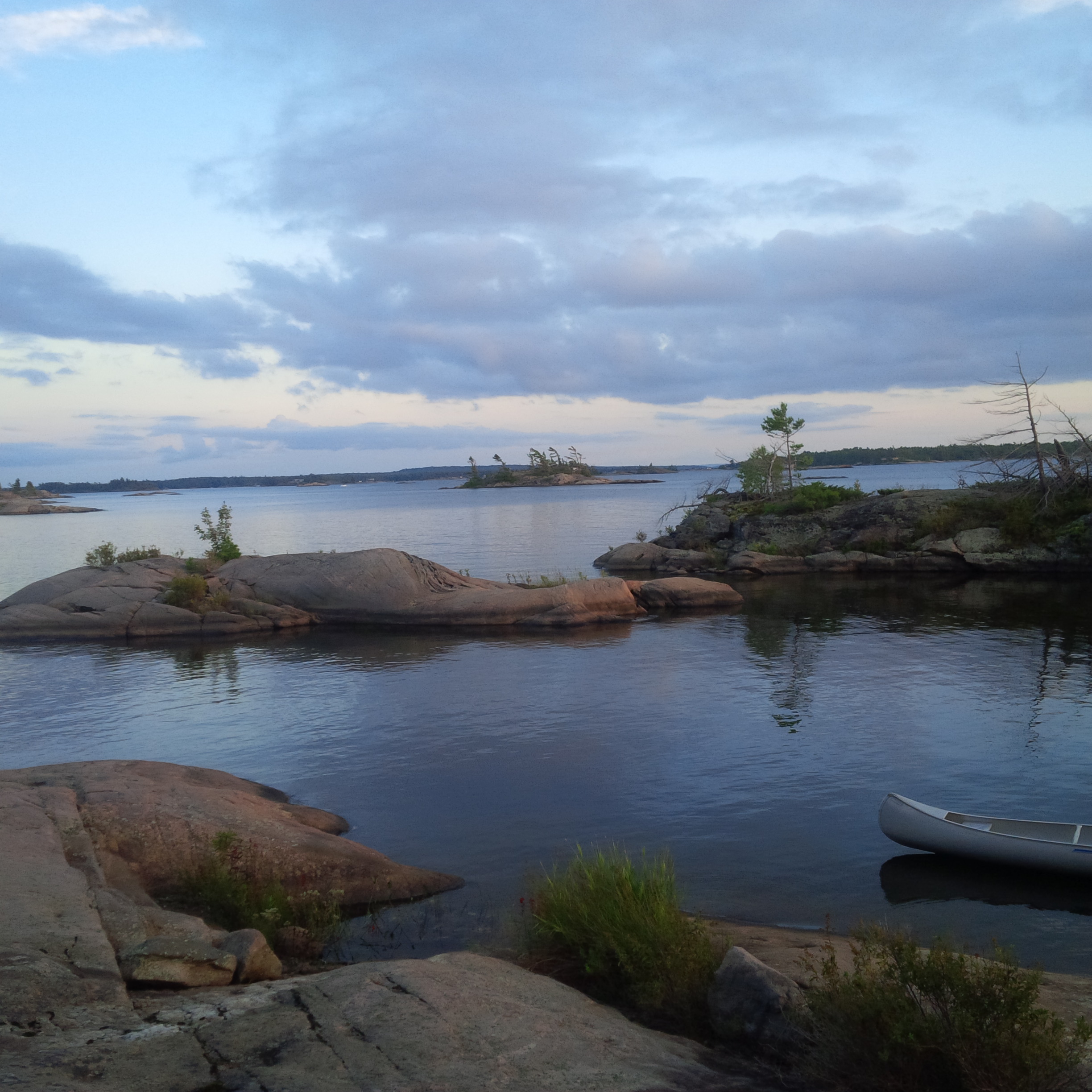
In Canada, the Labour Day weekend is summer’s last hurrah, before school and work resume in earnest. I return to work too, on Tuesday. But unlike most folks my weekend has lasted three-plus years rather than three days. That’s right, I’ve not had an honest-to-goodness real job since April 1, 2010. No joke.

I wish I could tell you why that happened, but I can’t yet. What’s easier is describing what it’s been like to be work-free for so long.

It’s been awesome and awful. Glorious and humiliating. Living well above and well below my potential, all at the same time.

First, the glory. If you have the time, health, money and freedom to do as you please, here’s what you do (if you’re me): cross the Pacific by ship and Eurasia by train all in one go, help friends in need, take college courses, volunteer, coach kids and adults in community sport, write a blog, complete an Ironman. I won’t have to worry about not having pursued big dreams or done some good, and that’s a great feeling.

These were all worthwhile risks. But I did not plan to go off-road for this long and it gnawed at me – not finding the right job, not working (with limited exceptions), drawing down savings, not building my career. Add to that being in my thirties living with my parents for no real traumatic reason over 1.5 years, and you’ve got someone not fully at ease with life.

So what have I learned?

Sometimes you suck – get over it: did I really think I would make it to middle-age without failing dismally at something important? Anyway, the key point for me is to get better at job transitions. I’m far better at networking and positioning now than I was when this started. 

While failing at something, keep succeeding at other things: just because you’re in a rut, it doesn’t mean you have to wallow in it. You’re more than a job title – use your abilities where they can help others. It will be recognized, and gives you a pretty darn good reason to get up in the morning.

I have remarkable parents: Judgement-free support and love is an awesome thing to experience. Not once did they question my return into their home or how long it has taken to sort myself out. Never. I can appreciate this now in a way I probably would not have as a younger person. A child can’t possibly repay parental devotion in full, but he can learn from example.

So what’s next? Sometime in the coming months, I’ll join the rest of the normal working world complaining about commutes, colleagues, paycheques and work-life imbalances. But not just yet.


Toronto Marathon 2013: how to be ok with a personal worst

Yes, it’s true. Your correspondent trained hard and fell far short of his goal. I wanted to go under 3h 15, was on track until about 32k, and finished in 3:31:50.

My strides shortened, and I couldn’t run properly. After the finish, I hobbled off to massage and went into mild shock once they started working on my left hip. So I spent much of yesterday post-race in a medical tent, and then a hospital, still in my race gear with sticky gel containers in my pocket and a salt-encrusted face. X-rays rule out broken bones, but I can’t raise or rotate my left leg/hip without severe pain. I don’t know about muscle tears or strains – specialists will figure that out – but I am using crutches and painkillers.

Yesterday’s experience is on my sports failure podium. On the face of it, you’d think I’d feel pretty terrible. But I don’t.

“Equanimity” is a word we don’t use much. But its definition, “mental calmness, evenness of temper, esp. in a difficult situation” best describes how I felt about it all. Here’s why:

I did what I could: You should line up for the start of your race believing you did all the training and took care of the details. I did all the distance and speed work, saw steady improvement, tested my tempo and nutrition, and even scouted parts of the Toronto course. And my race day plan went as planned – exactly on pace half-way, and holding….until my body had other plans.

“Thank God it was physical failure, not mental!” Arguably, there’s no greater sin in sport than being unable to push through pain. Athletes judge themselves and each other this way. If your body breaks or tears, then you are excused. But if your brain shuts things down to avoid “regular” discomfort, you have shown moral weakness. If I had just plain choked yesterday, rather than broke, I wouldn’t feel a whole lot of equanimity right now.

Our minds are more complicated than bone and muscle. I’m glad I don’t have to delve into my brain to figure out why I didn’t go faster.

Owning my flaws: remember how I said “I did what I could”? If I’m honest I have to say  “not quite”. Physical failures aren’t accidental. I have had some issues with my hip, which I handled with some physiotherapy, some specific exercises, and some rest. Evidently not enough on all fronts. We can’t, or don’t always dedicate the resources or diligence to take care of our bodies so they can serve us the way we want them to. I’m guilty as charged, and can’t go around blaming the world.

Warmth and Sunshine: For four months, I trained in gloomy, often freezing conditions, bundled up in multiple layers. There wasn’t much freedom or joy, running in the southern Ontario winter. Then came Sunday’s clear blue skies and temperatures in the high teens. It was the first time I ran in shorts in 2013. You know that “first day of spring” feeling? I had that yesterday.

Friends doing well: A more cynical soul would say there’s nothing worse than your buddies succeeding when you’re not. But, loitering and texting in the medical tent, I was pumped at the news of past and current training partners setting personal bests in their respective running races. Also, members of my club had good performances at a rowing regatta on Sunday. These people all did that themselves, but it’s nice to feel I contributed to their success in a small way, or even just vicariously.

Now what?: Running is out for a good long while. That was going to be true regardless of the outcome. I have a general interest in trying completely different sports than the linear, repetitive, endurance activities I’ve done all my life. How about I try to see how much weight I can gain (healthily) this summer?